
How Young Athletes Can Manage Their Health With Scoliosis Treatment in Richmond Hill
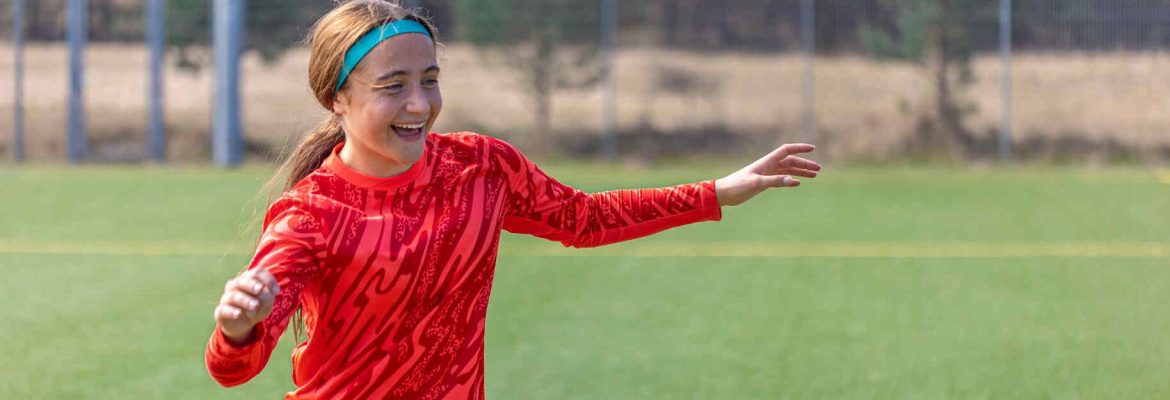
Participating in competitive sports is a cornerstone of life for many teenagers in York Region, providing physical fitness, community, and a sense of achievement. However, for a young athlete, a diagnosis of abnormal spinal curvature can feel like a roadblock to favourite activities. The good news is that modern sports medicine and rehabilitative techniques have evolved to ensure that a diagnosis doesn’t have to mean retirement from the court or the rink. By accessing professional scoliosis treatment in Richmond Hill, student-athletes can implement a proactive management plan that prioritizes spinal stability, pain reduction, and peak physical performance, allowing them to continue excelling in the sports they love while safeguarding their long-term health.
The Impact of Scoliosis on Athletic Performance
For a developing athlete, scoliosis is more than just a visible curve in the spine; it is a biomechanical challenge that affects how the body distributes force and maintains balance. When the spine is misaligned, the surrounding musculature often compensates, leading to inefficient movement patterns. One side of the body may become overactive and tight, while the opposite side becomes stretched and weakened. This muscular asymmetry can increase the risk of secondary injuries, such as strained ligaments or joint fatigue, particularly in high-impact sports like hockey or volleyball.
Professional intervention focuses on rebalancing these forces. By addressing the specific rotational components of the curve, therapists help athletes regain a more centered posture. This isn’t just about aesthetics; it’s about mechanical efficiency. When the trunk is better supported by a balanced muscular “corset,” the athlete can generate more power through their limbs and maintain better endurance during long practices or games.
The Role of Physiotherapy and Targeted Exercise
Young people with spinal disorders should focus on physiotherapy. Scoliosis-specific exercises are designed to take into account the three-dimensional rotation of the spine. In our multidisciplinary clinics, therapists help athletes develop “active elongation techniques”. These exercises help the brain and muscles maintain a neutral spine position when moving. A strong core foundation is essential for athletes as it protects their vertebrae against the repeated twisting and loading that are inherent to most competitive sports.
Integrating Chiropractic Care and Massage Therapy
While exercise builds the strength necessary to support the spine, manual therapies ensure that the body remains mobile and fluid. Chiropractic care is a valuable component of a comprehensive recovery strategy, particularly when the spinal curvature leads to joint rigidity or restricted range of motion. Through gentle mobilizations, our practitioners can help alleviate the tension that builds up as the body adapts to its unique alignment. This improves joint fluidity, which is essential for athletes who need to maintain agility and a full range of motion.
Similarly, Registered Massage Therapy (RMT) plays a critical role in managing the soft tissue strain that accompanies scoliosis. The muscles on the concave side of a spinal curve often become chronically shortened, while the muscles on the convex side become overworked and fatigued. Massage therapy helps to:
- Relieve localized muscle spasms and chronic tightness
- Improve circulation to fatigued soft tissues
- Reduce postural fatigue after intense physical activity
- Enhance the effectiveness of corrective physiotherapy exercises
Bracing and Growth Phase Management
The period of rapid development is critical for many adolescents. A custom-fitted brace can be recommended if a curve progresses during this formative period. Modern braces are designed to be as discreet as possible. This allows students to continue their academic and social schedules without disruption. A brace’s primary purpose is to guide spine growth and prevent the curvature from becoming so severe that it might require surgery. Bracing, when combined with a regular exercise program, offers a powerful defence against curve progression. This ensures the athlete’s spinal stability as they reach skeletal maturation.
A Multidisciplinary Approach to Long-Term Spinal Health
The most effective results for young athletes come from a collaborative environment where different specialists work together. At Premier Care Physiotherapy, our focus is on a holistic strategy that views the athlete as a whole person rather than just a set of symptoms. By combining the structural support of bracing, the functional gains of physiotherapy, and the recovery benefits of massage and chiropractic care, patients receive a well-rounded care plan. This integrated method ensures that every aspect of the athlete’s health is addressed, from the mechanical alignment of the bones to the endurance of the supporting muscles.
Managing a spinal condition while pursuing athletic excellence requires dedication, but with the right team, it is entirely achievable. By seeking out comprehensive scoliosis treatment in Richmond Hill, families can ensure that their young athletes have access to the conservative management options they need to stay in the game. Taking a proactive stance today not only helps manage the curve during the high-risk growth years but also instills healthy movement habits that will benefit the athlete for the rest of their life, both on and off the field.


