
Physio for Hip Arthritis in Richmond Hill Helps Active Adults Move With Less Pain
Key Takeaways
- Hip arthritis commonly causes stiffness, groin and thigh pain, and reduced walking tolerance, but it does not have to stop you from staying active.
- Physio for hip arthritis in Richmond Hill targets the muscles, movement patterns, and mechanics that affect how the hip joint is loaded each day.
- Strengthening the muscles around the hip reduces joint stress and can meaningfully improve daily comfort.
- Manual therapy, exercise programming, and movement coaching can all be part of a personalized approach.
- Early intervention typically supports better long-term mobility and function.
Hip arthritis has a quiet way of altering daily life before you fully realize it. What begins as mild morning stiffness or a brief ache after a walk can slowly make it harder to cover longer distances, rise comfortably from a chair, or move through your day with confidence. Physio for hip arthritis in Richmond Hill offers a practical, physical approach to managing these changes so you do not have to give up the activities you enjoy. Many active adults find that their hip becomes much less of a limitation when they focus on restoring muscle support and clean movement patterns around the joint.
As the most common form, hip osteoarthritis involves gradual wear on the cartilage and changes in how the joint handles weight. This often leads to pain in the groin, thigh, or outer hip, which can flare up after sitting, navigating stairs, or walking on uneven ground. Some people also notice that they cannot rotate their hips as easily, which makes tasks like putting on socks or getting into a car feel awkward. These issues are common but highly manageable with a careful, structured rehabilitation plan.
It might seem best to rest a painful hip, but avoiding movement can actually cause more issues over time. Inactivity often leads to weaker muscles, stiffer joints, and a hip that becomes less tolerant of daily weight-bearing. The hip joint relies heavily on its surrounding musculature, such as the glutes, deep rotators, and hip flexors, to absorb impact during movement. When these supporting muscles weaken, the joint itself has to take on more stress with every step you take.
Physiotherapy works to break this cycle. Rather than recommending that you simply avoid activity, a therapist evaluates how your hip moves, where weakness has developed, and how your posture or walking style might be adding strain to the area. This information enables the design of a movement program tailored to your body, rather than relying on generic stretching sheets.
What a Physiotherapy Assessment for Hip Arthritis Looks At
A thorough assessment is where effective hip arthritis management begins. Your physiotherapist will assess your range of hip motion, strength, balance, and gait. They will also consider what is happening above and below the hip, since the lower back, pelvis, knee, and foot all influence how load is distributed through the joint.
Particular attention is paid to:
- Hip flexion, extension, and rotation range
- Glute and hip abductor strength
- Walking pattern and stride length
- How you manage tasks like stairs, sit-to-stand, and transitions from the floor
This whole-picture assessment matters because hip arthritis pain is rarely just about the joint itself. Compensation patterns, muscle imbalances, and movement habits all play a role in how much the hip is aggravated throughout the day.
Strengthening Helps Protect the Hip Joint
Many people with hip arthritis worry that exercise will further wear down the joint or worsen their pain. When strengthening is chosen carefully and progressed at the right pace, it can often have the opposite effect. Stronger muscles around the hip help share the load that would otherwise place more stress on the joint. This can reduce irritation and support better hip function during walking, on stairs, and in everyday movement.
Physio for hip arthritis in Richmond Hill focuses on building practical, joint-supportive strength without pushing the hip beyond its limits. Exercises are selected based on your current mobility, pain level, and activity goals, then adjusted as your strength and confidence improve. Common areas of focus include the glutes, hip abductors, and core stabilizers, since these muscles help keep the pelvis steady and allow the hip to move more efficiently.
The goal is not to force your way through pain. It is to find the right amount of challenge in the right positions so the hip can gradually become stronger and more tolerant of daily activities.
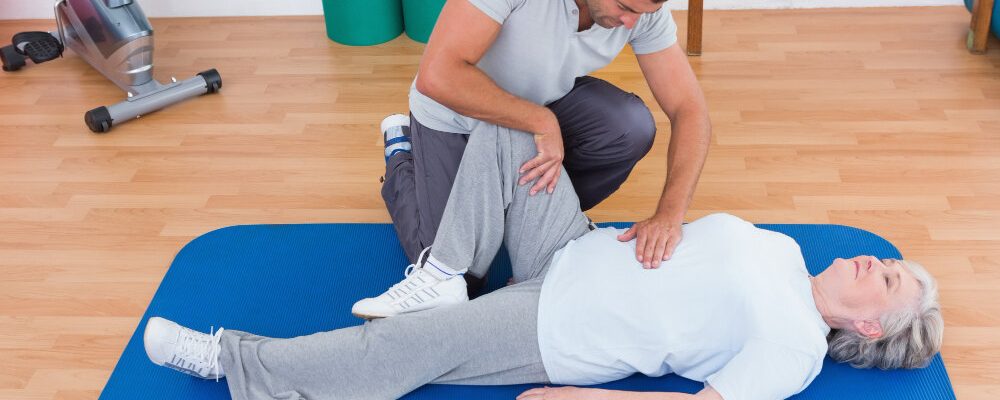
Exercise is usually a key part of hip arthritis management, but hands-on treatment can also be helpful. Orthopaedic manual therapy may be used to address stiffness, improve the comfortable range of motion, and help the hip move with less restriction. When movement feels easier, it often becomes more realistic to stay consistent with strengthening and daily activity.
Treatment may include joint mobilization, soft-tissue techniques, and targeted stretching based on the assessment. For some people with hip arthritis, even a modest improvement in hip rotation or extension can make walking, standing, getting into a car, or putting on shoes feel more manageable.
Gait, Posture, and Daily Movement Habits
How you move matters just as much as how strong you are. Small adjustments in walking pattern, posture, or how you sit and stand can change the amount of load going through the hip with every movement. In physiotherapy, you may work on:
- Walking mechanics and stride symmetry
- Sit-to-stand technique to reduce hip strain and improve confidence
- Stair strategy, particularly if descending is more painful than ascending
- Modifying work or home activities that repeatedly aggravate the joint
These coaching elements are often overlooked but can make a meaningful difference in how the hip feels throughout the day, particularly during the activities that matter most to you.
Your physiotherapist will use other tools along with manual therapy and exercise, depending on how you present. Medical acupuncture is a treatment that can help relieve pain and tension in the hip area. If tightened muscles contribute to restricted movement or referred pain, intramuscular stimulation may be the best option. In some cases, shockwave therapy can be used to treat soft tissue around the joint.
They are not stand-alone solutions, but they can be used in conjunction with a structured movement and exercise program when clinically indicated.
Common Hip Arthritis Challenges And Physiotherapy Approaches
| Hip Arthritis Challenge | How Physiotherapy Treats It | Relevant Treatment Tools |
| Morning stiffness with reduced range of movement | Joint mobilization, targeted stretching, mobility work | Exercises at home for manual therapy |
| Muscle weakness in the hip | Strengthening glutes, abductors and core | Resistance training and active exercise program |
| Walking and standing for long periods of time can cause pain. | Load management, gait retraining and activity coaching | Movement coaching and symptom pacing |
| Difficulty climbing stairs or standing up from a sitting position | Functional movement training, strategy coaching | Rehabilitation based on specific tasks |
| Radiating or referred hip pain | Soft tissue techniques IMS and acupuncture | Medical acupuncture, IMS |
| Pain and irritation throughout the body | Multimodal pain management education | IMS, manual therapy and shockwave |
Staying mobile is important for active adults living in Richmond Hill. It’s connected to confidence, independence, and overall quality of life. Premier Care Physiotherapy offers a hands-on, personalized approach to physio for hip arthritis in Richmond Hill that targets the specific physical factors causing your symptoms. If you want to walk farther, climb stairs without hesitation, or just get through the day with less pain, physiotherapy can help you build the physical tools to do so. It may be time to discover how much more you can do with your knees and hips when you have the proper movement support on your side.


